
How to Create a Drought-Tolerant Garden in Australia
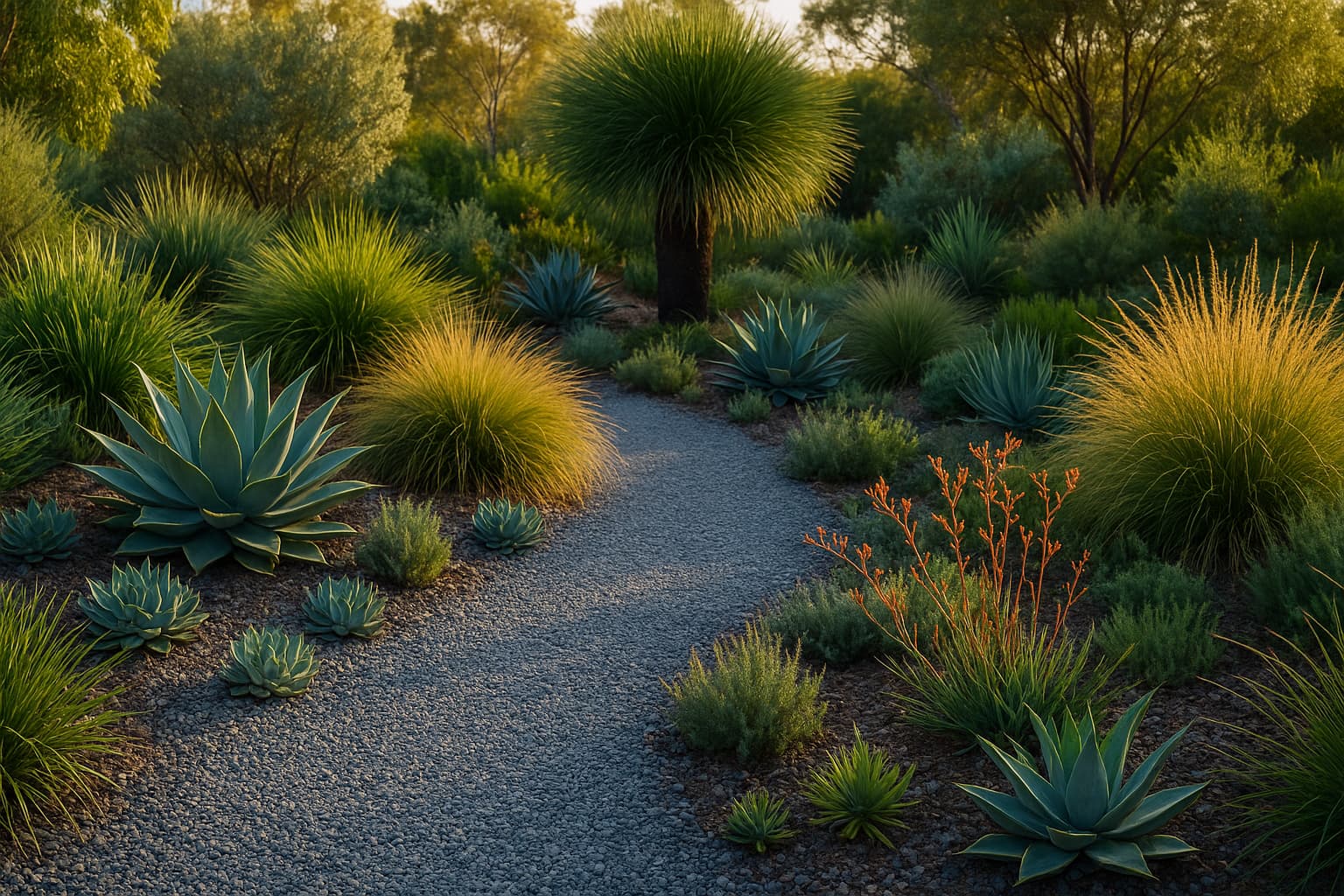
Creating a drought-tolerant garden in Australia is an excellent way to ensure your garden thrives despite the country's often challenging climate conditions. By selecting the right plants and implementing water-conserving practices, you can maintain a beautiful garden that requires minimal irrigation.
Key Takeaways
- Drought-tolerant gardens thrive with minimal water, making them ideal for Australian climates.
- Selecting native Australian plants can significantly reduce the need for irrigation.
- Implementing mulch and selecting efficient watering systems can conserve water.
- Professional garden design services can help tailor your garden to specific drought conditions.
Understanding Drought-Tolerant Gardening
Why Choose a Drought-Tolerant Garden?
Australia's climate, characterised by its hot summers and periodic droughts, makes water conservation crucial. Drought-tolerant gardens not only save water but also reduce maintenance costs and promote biodiversity by using native plants that are naturally adapted to the environment.
Benefits of Native Australian Plants
Native plants are inherently adapted to Australia's diverse climates. They're resistant to local pests and diseases, reducing the need for chemical interventions. Some popular drought-resistant native plants include:
- Kangaroo Paw (Anigozanthos): Known for its striking flowers, it thrives in full sun with minimal water.
- Waratah (Telopea speciosissima): The iconic red flower of New South Wales, requiring well-drained soil.
- Banksia: Offering unique foliage and flowers, suitable for sandy and well-drained soils.
Designing Your Drought-Tolerant Garden
Soil Preparation and Mulching
Proper soil preparation is vital for water retention. Begin by improving soil structure using organic matter like compost. Mulching is essential as it reduces evaporation, suppresses weeds, and maintains soil temperature. Organic mulch like bark or straw is recommended for its decomposition benefits, enriching the soil over time.
Watering Techniques
Efficient watering systems are key to sustaining a drought-tolerant garden. Consider the following techniques:
- Drip Irrigation: Delivers water directly to the root zone, minimising evaporation.
- Soaker Hoses: Similar to drip irrigation but easier to install and perfect for garden beds.
- Rainwater Harvesting: Using rain barrels can provide an additional water source during dry periods.
Layout and Plant Grouping
Design your garden layout by grouping plants with similar water and sunlight needs together. This not only makes irrigation more efficient but also ensures each plant receives optimal care. Consider consulting with local landscapers to create a strategic layout.
Cost Considerations
Here's a breakdown of potential costs for designing a drought-tolerant garden in Australia:
| Service/Item | Estimated Cost (AUD) |
|---|---|
| Soil Preparation and Mulching | $100 - $300 |
| Native Plant Selection | $50 - $200 |
| Drip Irrigation Installation | $200 - $500 |
| Professional Garden Design | $500 - $2,000 |
Maintaining Your Drought-Tolerant Garden
Seasonal Care
Adjust watering schedules according to the season. In winter, reduce the frequency as plants require less water, while in summer, monitor and adapt based on specific needs.
Pest and Weed Management
Drought-tolerant gardens often experience fewer pest issues due to the robust nature of native plants. Regularly check for weeds and remove them manually to avoid unnecessary water competition.
Long-Term Planning
As your garden matures, reassess plant placement and health. Some plants may outgrow their space or require additional support. It's advisable to consult with local landscaping experts for ongoing maintenance advice.
Frequently Asked Questions
What are the best drought-tolerant plants for Australian gardens?
Some of the best options include Kangaroo Paw, Waratah, and Banksia. These plants are well-adapted to the Australian climate and require minimal water once established.
How much does it cost to install a drip irrigation system?
The cost for installing a drip irrigation system ranges from $200 to $500, depending on the size of your garden and specific requirements.
Can I convert my existing garden to be more drought-tolerant?
Yes, by gradually replacing water-intensive plants with drought-tolerant varieties and incorporating efficient watering systems and mulching practices, you can transition your garden.
Is professional help necessary for designing a drought-tolerant garden?
While it's possible to design your garden independently, hiring professional garden design services can provide expert insights and ensure the best results tailored to your local conditions.
In conclusion, creating a drought-tolerant garden in Australia is a sustainable approach to gardening that aligns with the country’s climate challenges. By choosing native plants, implementing water-efficient systems, and considering professional advice, homeowners can enjoy a vibrant garden that conserves water and reduces maintenance efforts.
Find landscapers near you
Find trusted landscapers near you
Compare verified reviews and get free quotes. No sign-up required.
Tradiely Newsletter
Enjoyed this guide? Get the next one free.
New landscaping guides, cost breakdowns and tips — straight to your inbox.
No spam, ever. Unsubscribe in one click at any time.