
Garden Mulching Cost in Australia: What to Expect in 2025
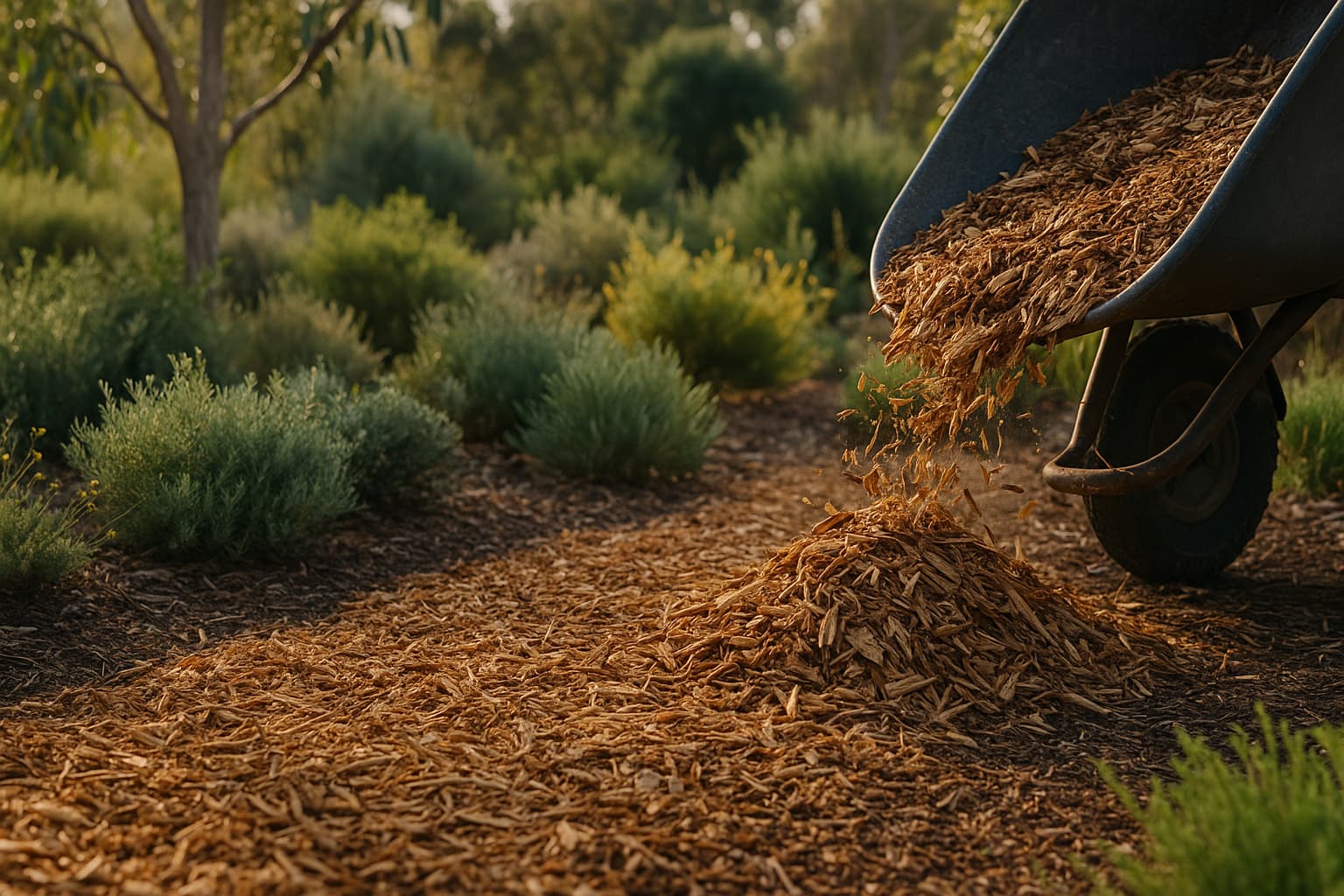
Garden mulching is an essential component of sustainable landscaping and can greatly enhance the health and appearance of your plants. As we look ahead to 2025, understanding the garden mulching cost in Australia is crucial for homeowners planning their landscaping budgets. In this article, we will explore the costs associated with different types of mulch, factors influencing pricing, and practical tips for Australian homeowners.
Key Takeaways
- Mulching costs in Australia can vary based on the type of mulch and the region.
- Organic mulches like bark and wood chips are popular for their natural appearance and soil benefits.
- Hiring professional services can ensure proper mulching techniques and save time.
- The climate and plant selection in your region can impact the type of mulch that is most effective.
- Comparing prices and getting quotes from local landscapers in Sydney can help you get the best deal.
Types of Garden Mulches
Organic Mulches
Organic mulches are derived from natural materials and are biodegradable, making them a favourite among environmentally conscious gardeners.
Bark Mulch: Bark mulch is popular for its aesthetic appeal and effectiveness in weed suppression. It is available in various grades and can cost between $80 and $100 per cubic metre.
Wood Chips: Wood chips are another excellent choice, particularly for garden beds. Prices typically range from $50 to $70 per cubic metre.
Straw Mulch: Ideal for vegetable gardens, straw mulch costs about $30 to $50 per bale, depending on the size.
Inorganic Mulches
Inorganic mulches are non-biodegradable and often used for decorative purposes or in areas where permanent cover is desired.
Gravel or Pebbles: Suitable for pathways and contrast in garden design, gravel prices range from $100 to $150 per cubic metre.
Rubber Mulch: Made from recycled materials, rubber mulch is durable and costs approximately $80 to $120 per cubic metre.
Factors Affecting Mulching Costs
Regional Variations
Mulching costs can vary significantly across different Australian cities due to regional availability and transportation costs. For instance, prices in metropolitan areas like Sydney may be higher compared to regional towns.
Labour Costs
The cost of hiring professional lawn mowing services or landscapers to spread the mulch can add to your overall expense. Typically, labour costs range from $30 to $50 per hour in most Australian cities.
Volume Discounts
Buying mulch in bulk can often result in discounts. Many suppliers offer reduced rates for large volumes, which can be beneficial for extensive landscaping projects.
| Type of Mulch | Price Range per Cubic Metre (AUD) |
|---|---|
| Bark Mulch | $80 - $100 |
| Wood Chips | $50 - $70 |
| Gravel/Pebbles | $100 - $150 |
| Rubber Mulch | $80 - $120 |
| Straw (per bale) | $30 - $50 |
Tips for Choosing the Right Mulch
Consider Your Climate
Australian climates vary greatly, from the temperate zones of Melbourne to the tropical regions of Queensland. It's important to choose a mulch that suits your local climate conditions to ensure the best results for your garden.
Match Mulch to Plant Needs
Different plants may require different types of mulch. For example, native Australian plants often thrive with a layer of organic mulch like wood chips, which mimics their natural habitat.
Professional Advice
Consulting with local landscapers can provide valuable insights into the best mulching practices for your specific garden needs and help in selecting the most cost-effective options.
Frequently Asked Questions
How often should I replace my garden mulch?
Most organic mulches need to be replenished annually as they decompose, enriching the soil. Inorganic mulches like gravel or rubber may last longer but require periodic cleaning to maintain their appearance.
Can I apply mulch myself, or should I hire a professional?
While applying mulch can be a DIY task, hiring professionals ensures proper application techniques, especially for large areas or complex landscapes.
What are the benefits of using mulch in my garden?
Mulch helps retain soil moisture, suppress weeds, regulate soil temperature, and improve soil quality over time. It also adds aesthetic appeal to your garden.
Is there a best time of year to mulch?
Early spring is an ideal time to mulch as it prepares the soil for the growing season. However, mulching in autumn is also beneficial to protect plants during winter.
In conclusion, understanding the garden mulching cost in Australia and the factors influencing it can help you make informed decisions for your landscaping projects in 2025. Whether opting for organic or inorganic mulches, taking into account your regional climate and plant requirements will ensure a thriving garden. Don't hesitate to reach out to find a local landscaper for professional advice and services tailored to your needs.
Find landscapers near you
Find trusted landscapers near you
Compare verified reviews and get free quotes. No sign-up required.
Tradiely Newsletter
Enjoyed this guide? Get the next one free.
New landscaping guides, cost breakdowns and tips — straight to your inbox.
No spam, ever. Unsubscribe in one click at any time.