
Low-Maintenance Garden Design for Brisbane Homes
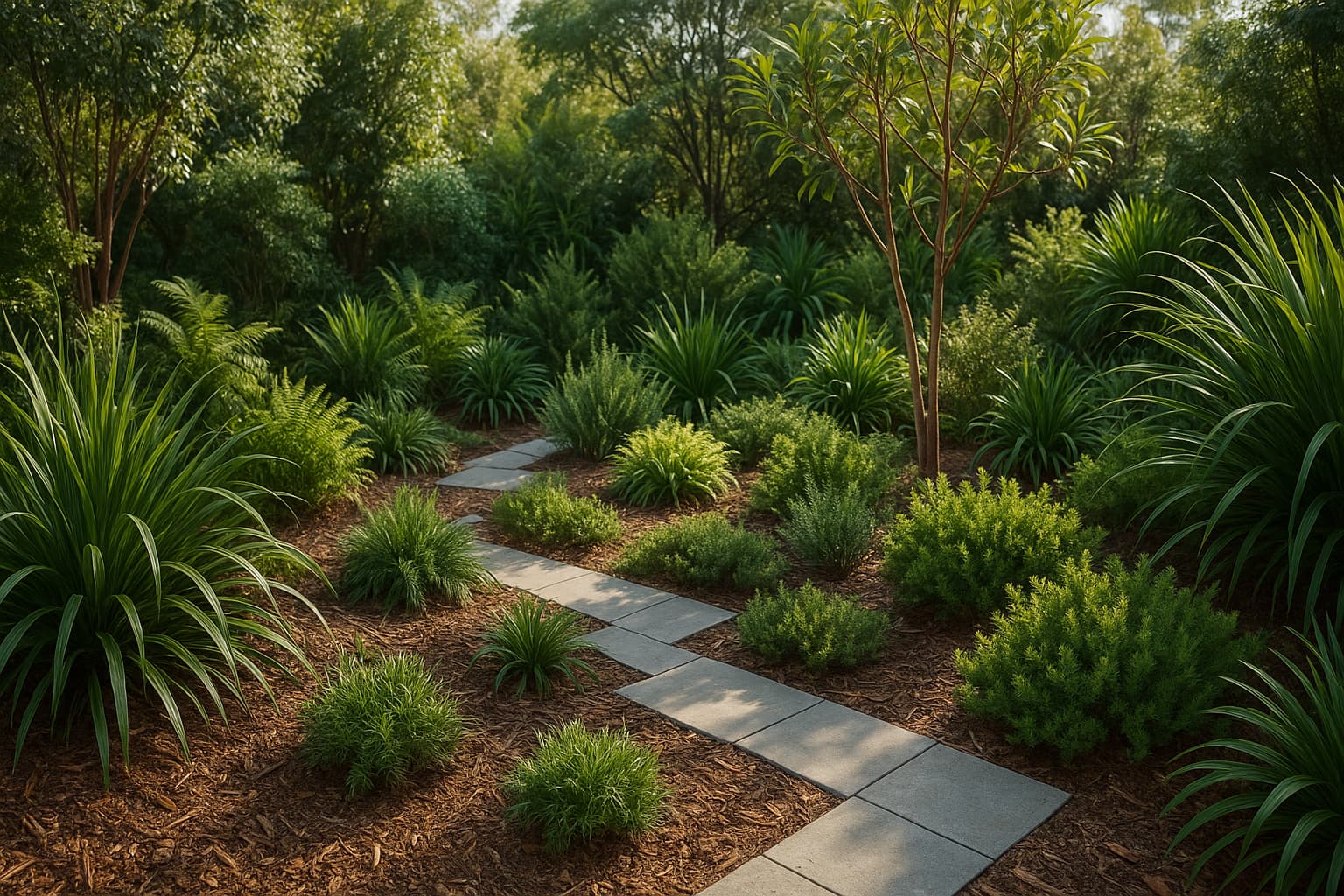
Brisbane's warm subtropical climate provides a unique opportunity for creating a low-maintenance garden design that is both sustainable and visually appealing. Selecting the right plants and employing the best practices can transform your outdoor space into a serene oasis without excessive upkeep.
Key Takeaways
- Opt for drought-tolerant, native plants suitable for Brisbane's climate.
- Use mulch and efficient irrigation systems to conserve water.
- Minimise hard surfaces to enhance sustainability and reduce maintenance.
Selecting the Right Plants
In Brisbane, choosing plants that can thrive with minimal intervention is crucial. Native species are often the best choice because they are well-adapted to the local climate and conditions.
Drought-Tolerant Native Plants
Brisbane's gardens benefit from drought-resistant natives that require less water Brisbane City Council. Some excellent choices include:
- Lilly Pilly (Syzygium smithii): A versatile plant known for its dense foliage and colourful berries.
- Kangaroo Paw (Anigozanthos): Recognised for its unique flower shapes and vibrant colours.
- Grevillea: Offers a variety of species with beautiful flowers and minimal care requirements.
Considerations for Small Spaces
For smaller gardens or vertical planting, select plants that can thrive in confined areas. Species like the Bottlebrush (Callistemon) are perfect for pots or narrow spaces, providing vibrant blooms and attracting local wildlife Brisbane City Council.
Water Conservation Strategies
Water conservation is a key aspect of a low-maintenance garden. Implement practices that reduce water usage while keeping your garden healthy.
Efficient Irrigation Systems
Utilising drip irrigation and moisture sensors can significantly reduce water waste by delivering water directly to the plant roots Australian Government – YourHome. This method not only conserves water but also prevents overwatering, which can harm plants.
Mulching
Applying mulch around plants helps retain soil moisture and reduces the need for frequent watering. Organic mulches like bark or sugar cane are particularly effective in Brisbane's climate Australian Government – YourHome.
Minimising Hard Surfaces
Reducing hard surfaces in your garden not only decreases heat retention but also allows for better water absorption and reduces runoff.
Ground Cover Alternatives
Consider using ground cover plants instead of paving large areas. Species like Dichondra repens can create lush green carpets that are both soft and visually appealing Australian Government – YourHome.
Permeable Paving
Where paving is necessary, opt for permeable materials to allow rainwater to soak through rather than run off. This choice supports local water tables and reduces erosion.
Planning and Design Considerations
A well-thought-out design is the cornerstone of a low-maintenance garden. Work with professionals to create a plan that suits your lifestyle and the local environment.
Grouping Plants by Water Needs
Design your garden by grouping plants with similar water requirements. This approach simplifies irrigation and ensures that all plants receive the appropriate amount of moisture Australian Government – YourHome.
Preserving Existing Trees
Incorporating existing trees into your design provides immediate shade and enhances biodiversity. Trees like the Eucalyptus or Paperbark are low-maintenance and support local ecosystems Australian Government – YourHome.
Comparison of Key Features for Low-Maintenance Gardens
| Feature | Benefits | Considerations |
|---|---|---|
| Drought-Tolerant Plants | Low water use, native habitat | May have specific light/soil needs |
| Drip Irrigation | Efficient water use | Initial setup cost |
| Mulching | Moisture retention, weed control | Needs periodic replenishment |
| Ground Cover Plants | Reduces erosion, softens landscape | May require initial maintenance |
| Permeable Paving | Improves drainage, eco-friendly | May be more costly than standard paving |
Defining the Scope of Work
Before engaging a landscaper, clearly defining the scope of work is essential to ensure that your vision aligns with the final outcome. Begin by identifying the primary goals for your garden, such as enhancing aesthetic appeal, improving functionality, or increasing sustainability. List specific elements you wish to include, such as native plantings, water features, or seating areas. Consider the existing conditions of your garden, including soil quality, sunlight exposure, and drainage, as these factors will influence plant selection and design choices.
Next, determine the boundaries of the project by deciding which areas of your garden will be included in the redesign. This could range from a complete overhaul of the entire garden to focusing on a specific section, like the front yard or a backyard retreat. Establish a realistic timeline for the project, considering seasonal planting schedules and any personal deadlines, such as events or holidays. Finally, set a budget that reflects the complexity and scale of the work, ensuring it includes allowances for unexpected expenses. By clearly defining these elements, you provide a solid foundation for discussions with potential landscapers and facilitate the creation of a detailed, accurate proposal.
Evaluating a Written Quote
Once you receive a written quote from a landscaper, evaluating its contents thoroughly ensures transparency and alignment with your expectations. Start by reviewing the document for a detailed breakdown of costs, including materials, labour, and any additional services. Ensure that the quote specifies the types and quantities of plants, materials for hardscaping, and any equipment rentals required for the project. This level of detail helps avoid misunderstandings and ensures that all parties are on the same page regarding what is included.
Check for clarity in the timeline, noting the start and completion dates, as well as any milestones or phases of work. This information is crucial for managing expectations and planning around the project. Additionally, confirm that the quote includes terms and conditions, such as payment schedules, warranties on plants and materials, and policies for dealing with unforeseen issues or changes in scope.
Finally, compare the quote with others to gauge its competitiveness. While cost is an important factor, consider the landscaper's experience, reputation, and previous work quality. A slightly higher quote from a reputable landscaper might offer better value through superior workmanship and reliability. By evaluating these aspects, you can make an informed decision that aligns with your vision and budget.
Frequently Asked Questions
What are the best drought-tolerant plants for Brisbane gardens?
Plants such as Lilly Pilly, Kangaroo Paw, and Grevillea are excellent drought-tolerant options for Brisbane gardens. These plants are adapted to the local climate and require minimal watering once established Brisbane City Council.
How can I conserve water in my garden?
Implementing drip irrigation, using moisture sensors, and applying mulch are effective ways to conserve water. These methods ensure that your garden receives adequate hydration without wasting water Australian Government – YourHome.
Why is it important to minimise hard surfaces in a garden?
Minimising hard surfaces helps reduce heat retention, improves water absorption, and decreases runoff. This practice supports sustainable garden design and enhances the overall health of your landscape Australian Government – YourHome.
How do I plan a low-maintenance garden layout?
Work with garden design professionals in Brisbane to create a layout that groups plants by water needs, incorporates existing trees, and utilises native species for a sustainable and easy-to-maintain garden.
In conclusion, designing a low-maintenance garden in Brisbane involves selecting the right plants, conserving water, and planning a thoughtful layout. By focusing on these key areas, you can create an attractive and sustainable garden that enhances your home and the local environment. For more personalised advice, consider reaching out to find a local landscaper who can help bring your garden vision to life.
Research and methodology
Research date: 2026-07-26
Tradiely compared the pre-verified Australian government and local-authority guidance listed below and limited claims to the scope supported by each source.
This guide was drafted with AI assistance and checked by automated quality controls against the pre-verified sources below. It is general information; confirm current local rules and written quotes before work begins.
Sources
- Brisbane City Council — Best Plants For Brisbane Gardens — checked 2026-07-26
- Bureau of Meteorology — Climate Classification — checked 2026-07-26
- Australian Government – YourHome — Landscaping Garden Design — checked 2026-07-26
- Australian Government – YourHome — Outdoor Water Use — checked 2026-07-26
Find landscapers near you
Find trusted landscapers in Brisbane
Compare verified reviews and get free quotes. No sign-up required.
Tradiely Newsletter
Enjoyed this guide? Get the next one free.
New landscaping guides, cost breakdowns and tips — straight to your inbox.
No spam, ever. Unsubscribe in one click at any time.