
Do Retaining Walls Need Council Approval in Australia?
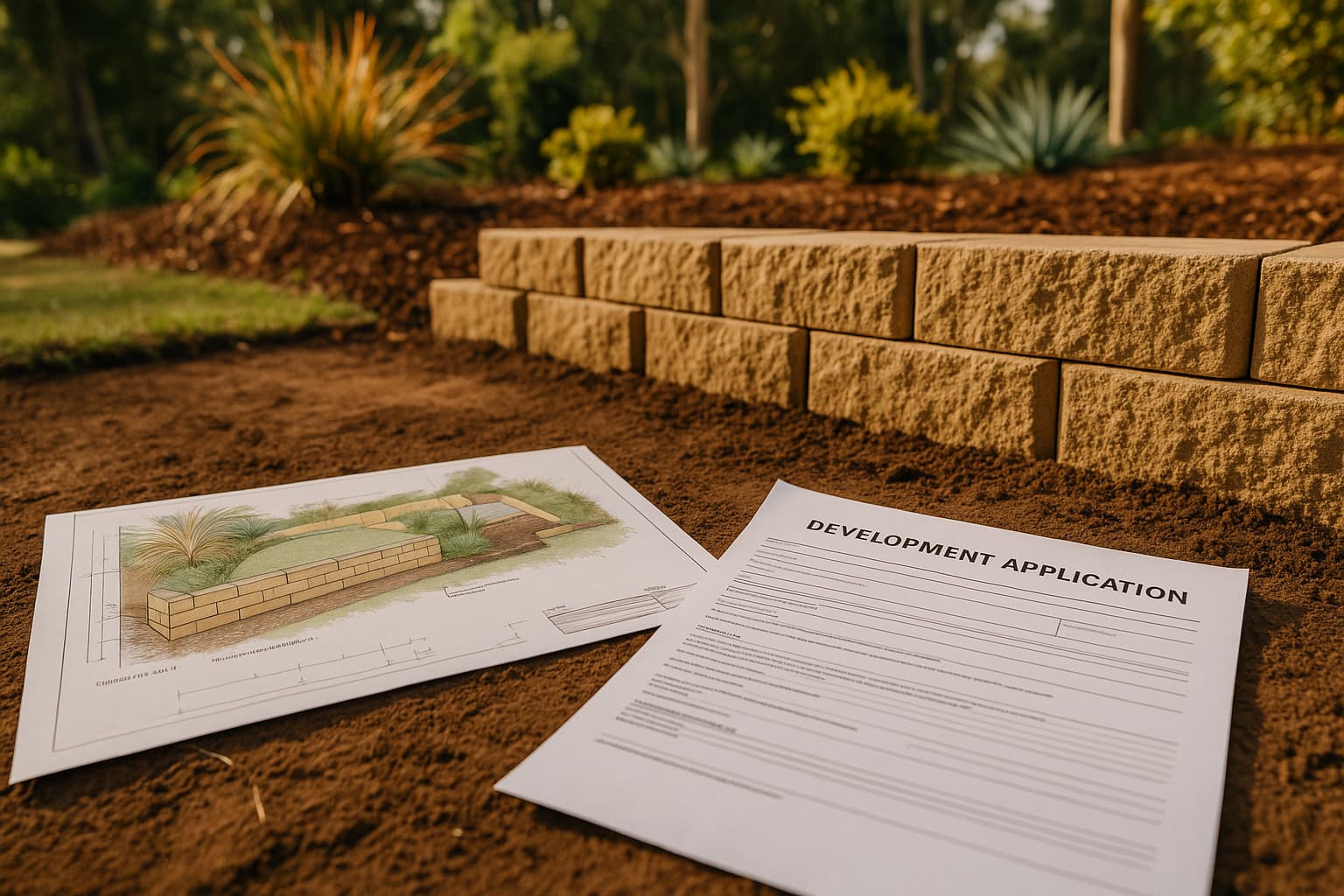
In Australia, retaining walls often require council approval due to their potential impact on land stability and drainage. Understanding the regulations for retaining walls can help homeowners avoid legal issues and ensure their projects are compliant with local laws.
Key Takeaways
- Retaining walls may require council approval based on height, surcharge, and location.
- Regulations differ between states and local councils, so specific local advice is essential.
- Planning permits and building permits are distinct and may both be required.
- Proper design is crucial to prevent drainage, erosion, and runoff issues.
Understanding Retaining Wall Regulations
Why Approval is Necessary
Retaining walls can significantly alter land topography, affecting drainage, erosion, and neighbouring properties. As a result, councils impose regulations to maintain safety and environmental standards.
Height and Surcharge
In Brisbane, the height and surcharge affect whether a retaining wall needs planning or building approval. Walls over a certain height or those supporting significant loads often require permits Brisbane City Council.
Exemptions for Certain Walls
In New South Wales, certain earthworks, retaining walls, and structural supports are exempt from needing approval if they meet state policy criteria NSW Planning Portal.
Differences Between Planning and Building Permits
Planning Permits
In Victoria, a planning scheme dictates whether a planning permit is necessary for land use and development. The planning permit ensures that the proposed structure aligns with local environmental and zoning laws Planning Victoria.
Building Permits
Building permits, on the other hand, ensure that the construction methods and materials meet safety standards. Even if a planning permit is not needed, a building permit might still be required.
Designing a Retaining Wall
Engineering Considerations
When designing a retaining wall, engineering principles must be applied. This involves calculating the load-bearing requirements and selecting suitable materials to ensure stability and longevity.
Environmental Impact
Designing for proper drainage and erosion control is vital. Poorly designed retaining walls can lead to stormwater issues and environmental degradation, necessitating additional approval reviews Australian Government – YourHome.
Checklist for Retaining Wall Compliance
| Aspect | Requirement | Notes |
|---|---|---|
| Height | Varies by state/council | Check local regulations for height restrictions. |
| Surcharge | May require engineering input | Consider load from soil and nearby structures. |
| Location | Proximity to boundaries matters | Ensure compliance with setback regulations. |
| Drainage | Must prevent runoff and erosion | Design with stormwater management in mind. |
| Permits | Possible need for planning/building | Confirm with local council if both permit types are necessary. |
Defining the Scope of Work for Retaining Wall Projects
Before requesting quotes from contractors, clearly defining the scope of work is crucial. Start by identifying the specific purpose of the retaining wall, such as managing soil erosion, creating level garden spaces, or enhancing property aesthetics. Next, determine the desired location and dimensions of the wall, including height, length, and thickness. Consider any additional features like drainage systems or decorative finishes.
Once the basic parameters are set, assess the site conditions. Note any existing structures, vegetation, or utilities that might affect construction. Understanding soil type and stability is also essential, as these factors influence design and material choices. If necessary, consult with a geotechnical engineer for a detailed site analysis.
Finally, outline any regulatory requirements, such as council approvals or permits, that must be obtained. Compile this information into a comprehensive document to share with potential contractors. This ensures that all parties have a clear understanding of the project's requirements, reducing the likelihood of misunderstandings or unexpected costs.
Evaluating a Written Quote for Retaining Wall Construction
When evaluating written quotes from contractors, focus on several key aspects to ensure you receive a fair and comprehensive proposal. Begin by reviewing the quoted price in relation to the scope of work. The quote should itemise costs for materials, labour, and any additional services like site preparation or waste removal. Ensure that the materials specified meet your quality and durability expectations.
Next, examine the timeline proposed for project completion. The quote should outline key milestones and a final completion date. Consider whether the timeline aligns with your schedule and if there are penalties for delays. Additionally, check if the contractor has included a contingency plan for unforeseen issues, such as adverse weather or supply chain disruptions.
Another critical factor is the contractor's credentials and experience. Verify their licensing, insurance, and any relevant certifications. Ask for references or examples of previous work, particularly projects similar in scope and complexity to yours. This can provide insight into their reliability and craftsmanship.
Finally, scrutinise the terms and conditions, including payment schedules, warranties, and dispute resolution processes. A well-drafted quote will protect both parties and provide clarity on how issues will be managed. By thoroughly evaluating each quote, you can confidently select a contractor who offers the best value and aligns with your project goals.
Frequently Asked Questions
Do all retaining walls require council approval in Australia?
Not all retaining walls require approval. The need for council approval depends on factors such as the wall's height, surcharge, and location. Local council regulations vary, so it is crucial to check the specific requirements for your area.
What happens if I build a retaining wall without approval?
Building a retaining wall without the necessary approvals can lead to fines, required modifications, or even removal of the wall. It is essential to consult with your local council to ensure compliance before starting construction.
How can I find a local landscaper who knows the regulations?
Hiring a local landscaper familiar with regional requirements can simplify the process. You can find a local landscaper through online directories that connect you with professionals in your area.
Are there specific materials required for retaining walls in Australia?
There are no specific materials mandated, but the materials chosen must be suitable for the wall's intended load and environmental conditions. Consulting with a structural engineer or a professional landscaper can help determine the best materials for your project.
Conclusion
Building a retaining wall in Australia involves navigating a complex web of regulations that vary by state and council. By understanding the requirements for planning and building permits, as well as the engineering and environmental considerations, homeowners can ensure their projects meet legal and safety standards. Always consult local authorities or professionals to confirm the specific needs for your retaining wall project.
Research and methodology
Research date: 2026-07-26
Tradiely compared the pre-verified Australian government and local-authority guidance listed below and limited claims to the scope supported by each source.
This guide was drafted with AI assistance and checked by automated quality controls against the pre-verified sources below. It is general information; confirm current local rules and written quotes before work begins.
Sources
- Brisbane City Council — Retaining Wall — checked 2026-07-26
- NSW Planning Portal — Earthworks Retaining Walls And Structural Supports — checked 2026-07-26
- Planning Victoria — Planning Permits — checked 2026-07-26
- Australian Government – YourHome — Stormwater — checked 2026-07-26
Find landscapers near you
Find trusted landscapers near you
Compare verified reviews and get free quotes. No sign-up required.
Tradiely Newsletter
Enjoyed this guide? Get the next one free.
New landscaping guides, cost breakdowns and tips — straight to your inbox.
No spam, ever. Unsubscribe in one click at any time.