
Small Garden Design Ideas for Melbourne Homes
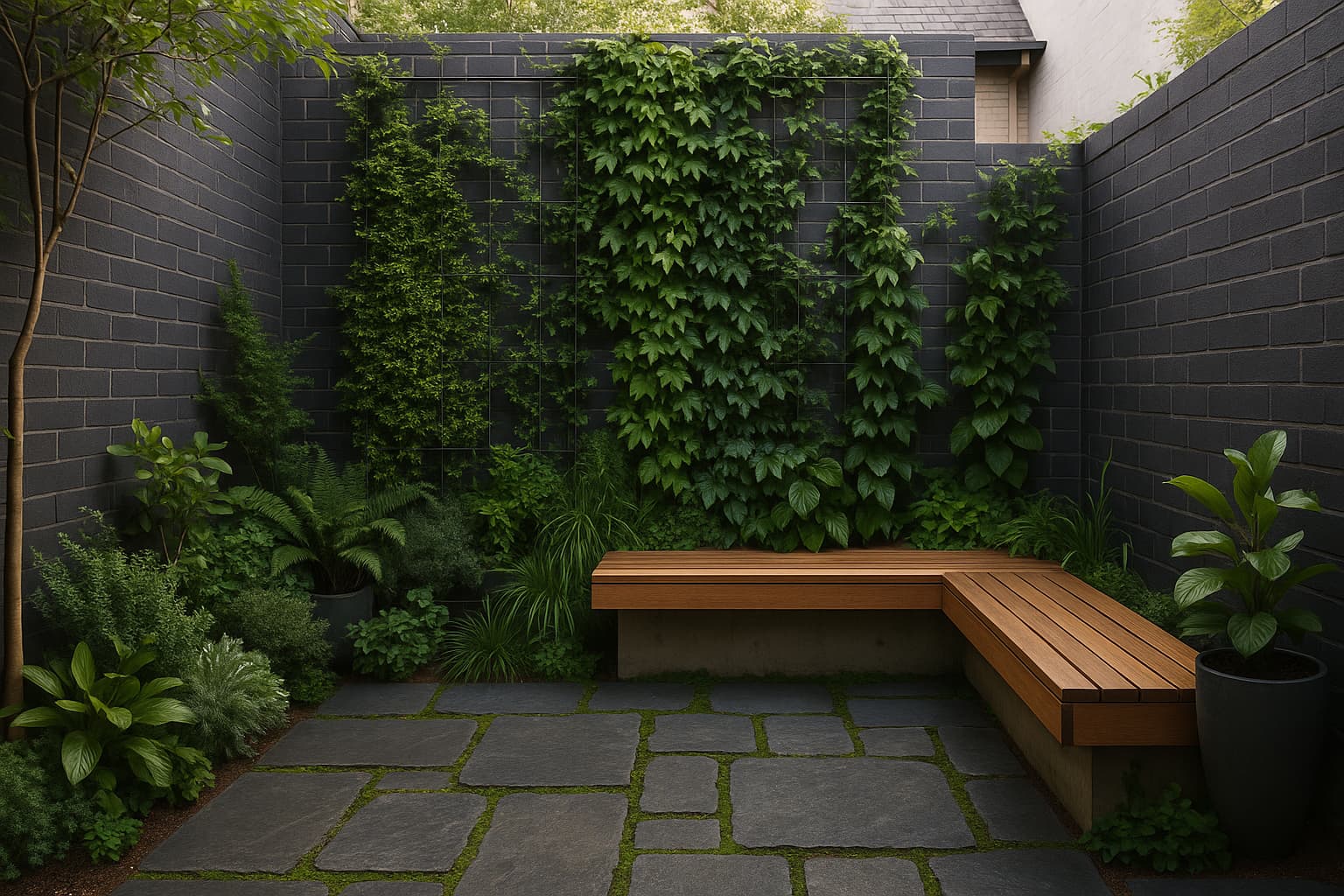
In Melbourne, a well-thought-out garden design can transform even the smallest of outdoor spaces into a lush, functional retreat. Whether you're living in a compact townhouse or an apartment with a modest balcony, there are numerous strategies to make the most of your green spaces.
Key Takeaways
- Incorporating native plants in your garden design can enhance resilience and reduce maintenance.
- Using permeable pavements can improve water drainage and contribute to water-sensitive urban design.
- Consider vertical gardens and container plants to maximise limited space.
Designing for Melbourne's Climate
Understanding Local Conditions
Melbourne's climate is classified officially by Bureau of Meteorology as temperate, featuring moderate rainfall and distinct seasonal changes. When planning your garden, it is crucial to select plants that thrive in these conditions. Native species such as the Kangaroo Paw or the Banksia are excellent choices, as they are well-adapted to the local climate and require less water and maintenance.
Climate Considerations in Plant Selection
Selecting the right plants means considering their sunlight, water, and soil requirements. Opt for drought-tolerant plants and integrate mulching to retain soil moisture effectively. This approach not only supports sustainability but also enhances the garden’s resilience during Melbourne’s dry spells Australian Government – YourHome.
Space-Saving Techniques
Vertical Gardens
For homes with limited ground space, vertical gardens offer an innovative solution. These gardens not only save space but also provide insulation benefits for your home. Use trellises, wall-mounted planters, or even hanging pots to create a lush green wall.
Container Gardening
Container gardening is another versatile option. Pots and planters come in various sizes, allowing you to create a flexible garden layout. This method is ideal for renters, as it provides portability and ease of rearrangement. Use different heights and colours to add visual interest.
Water-sensitive Urban Design
Permeable Pavements
In urban Melbourne, where space is limited, incorporating permeable pavements in your garden design is practical. These materials allow water to percolate through, reducing runoff and helping to manage localised flooding. This is supported by City of Melbourne as an effective strategy for urban gardens.
Rain Gardens and Swales
Rain gardens and swales can be designed to capture and filter stormwater. These elements not only enhance the aesthetic appeal of a garden but also contribute to the sustainable management of water resources. Consider working with garden design professionals in Melbourne to integrate these features effectively.
Managing Garden Waste
Proper disposal and management of garden waste are crucial, especially in densely populated areas. According to City of Melbourne, it is important to ensure that garden waste does not obstruct sidewalks or public spaces. Regular maintenance and composting can help in managing waste efficiently and sustainably.
Comparison Table: Vertical Gardens vs. Container Gardening
| Feature | Vertical Gardens | Container Gardening |
|---|---|---|
| Space Utilisation | Maximises wall space; ideal for limited ground area | Flexible arrangement; suits various spaces |
| Maintenance | May require additional support structures | Easy to maintain; can be moved as needed |
| Plant Variety | Limited by plant type that can grow vertically | Wide variety of plants can be used |
| Aesthetic Appeal | Creates a striking visual feature | Customisable with diverse pot designs |
| Environmental Benefits | Provides insulation and air purification | Enhances soil aeration and water retention |
Defining the Scope of Landscaping Work
When embarking on a landscaping project in Melbourne, clearly defining the scope of work is crucial for achieving your desired outcome. Begin by outlining your primary objectives, whether it’s creating a native plant garden, installing a vertical garden, or incorporating permeable pavements for better water management. Detail the specific areas to be landscaped, including dimensions and any existing features that need to be integrated or removed.
Next, consider any environmental factors, such as sunlight exposure and soil type, which may influence plant selection and design choices. If water-sensitive urban design elements like rain gardens or swales are part of your plan, specify their location and size. Determine any additional structures or materials required, such as trellises for vertical gardens or containers for portable planting solutions.
Finally, establish a timeline for the project, including key milestones and a completion date. This will help manage expectations and ensure that both you and the landscaper have a clear understanding of the project’s scope. By providing detailed information upfront, you can facilitate a smoother planning process and ensure that the final design aligns with your vision.
Evaluating a Written Landscaping Quote
Evaluating a written quote for landscaping services involves more than just comparing prices. Start by ensuring that the quote includes a detailed breakdown of all costs, such as labour, materials, and any additional fees for permits or waste disposal. Each item should correspond to the elements outlined in your project scope, allowing you to verify that nothing has been overlooked.
Examine the proposed timeline and ensure it aligns with your expectations. The quote should specify start and end dates, as well as any potential delays due to weather or other unforeseen circumstances. This clarity helps prevent misunderstandings and ensures that the project progresses smoothly.
Additionally, review the terms and conditions, including payment schedules and warranty information for plants and materials. Confirm that the landscaper is licensed and insured, providing peace of mind that the work will be completed to a professional standard. If the quote includes sustainable practices, such as using native plants or water-efficient designs, ensure these are clearly defined.
By thoroughly evaluating the quote, you can make an informed decision that balances cost with quality and ensures your landscaping project meets both your aesthetic and functional goals.
Frequently Asked Questions
What native plants are best for a small Melbourne garden?
For a small Melbourne garden, consider native plants like Kangaroo Paw, Banksia, and Grevillea. These species are drought-tolerant and well-suited to Melbourne's climate, reducing the need for frequent watering and maintenance Bureau of Meteorology.
How can I incorporate sustainable practices in my garden design?
You can incorporate sustainable practices by choosing native plants, using permeable pavements, and installing rain gardens. These elements support local biodiversity, improve water management, and reduce the environmental impact of your garden City of Melbourne.
Are there any restrictions on garden waste disposal in Melbourne?
Yes, garden waste must be managed to prevent obstruction of public spaces. Composting and regular maintenance can help manage waste effectively, ensuring compliance with local regulations City of Melbourne.
Can vertical gardens be used indoors?
Yes, vertical gardens can be used indoors to enhance air quality and aesthetic appeal. They require adequate light and appropriate plant selection to thrive indoors. Consider using low-maintenance plants like ferns and peace lilies.
In conclusion, designing a small garden in Melbourne involves strategic planning and a keen understanding of local climate conditions. By incorporating native plants, utilising vertical space, and implementing water-sensitive design elements, you can create a sustainable and beautiful garden that enhances your living space. Whether you're seeking professional advice or undertaking a DIY project, these small garden design ideas offer a practical path to transforming your outdoor area. For expert assistance, consider engaging landscapers in Melbourne to bring your vision to life.
Research and methodology
Research date: 2026-07-26
Tradiely compared the pre-verified Australian government and local-authority guidance listed below and limited claims to the scope supported by each source.
This guide was drafted with AI assistance and checked by automated quality controls against the pre-verified sources below. It is general information; confirm current local rules and written quotes before work begins.
Sources
- Australian Government – YourHome — Landscaping Garden Design — checked 2026-07-26
- Bureau of Meteorology — Climate Classification — checked 2026-07-26
- City of Melbourne — Water Sensitive Urban Design — checked 2026-07-26
- City of Melbourne — Garden Waste — checked 2026-07-26
Find landscapers near you
Find trusted landscapers in Melbourne
Compare verified reviews and get free quotes. No sign-up required.
Tradiely Newsletter
Enjoyed this guide? Get the next one free.
New landscaping guides, cost breakdowns and tips — straight to your inbox.
No spam, ever. Unsubscribe in one click at any time.